


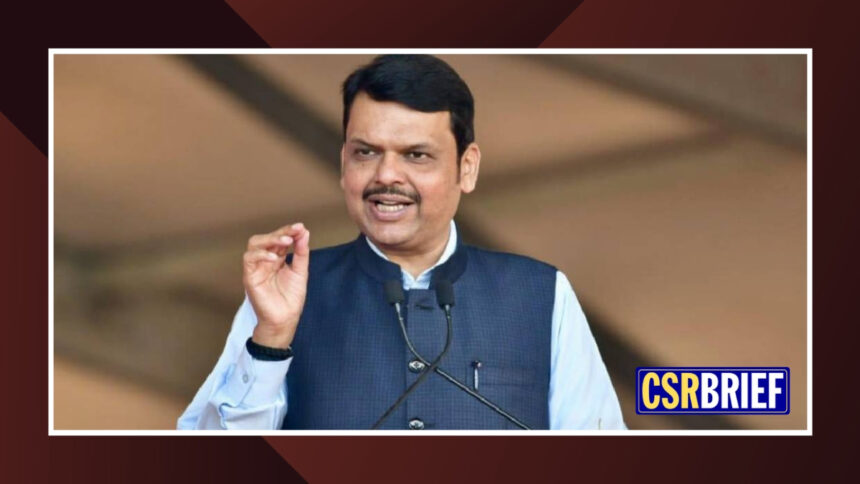
Maharashtra Chief Minister Devendra Fadnavis has called for stronger financial and operational planning for the state’s urban infrastructure and water projects.
He made the comments at a review meeting with delegations from the World Bank and International Finance Corporation on 22 October.
Projects should be ready before funding
Fadnavis said projects selected for funding should have land, rights of way and necessary permissions secured in advance. Delays in acquisition and approvals can postpone project starts by one or two years, he said.
The meeting considered funding, technical solutions, implementation and completion timelines. The chief minister also asked agencies to coordinate resources so financing costs can be reduced and infrastructure extended to smaller cities.
Solar power could reduce operating costs
Electricity costs can undermine water-project viability even where the underlying technology works. Fadnavis called for solar power, battery storage and other technologies to lower recurring energy costs.
He said collaboration with the World Bank should support institutional and systemic change, not be limited to financial assistance.
Treated-water users should be identified early
Fadnavis asked project planners to identify industrial and other users of treated wastewater before infrastructure is built. Advance demand planning could increase reuse and help recover part of the investment.
He also called for existing policies governing the supply of treated wastewater to industrial areas and power plants to be updated. No new policy, funding allocation or implementation order was announced at the meeting.
CSRBrief View
The direction is sound: water infrastructure must be planned as a long-term service, not only as a construction project. Land readiness, energy costs and demand for treated water directly affect whether assets remain functional.
The next step is a public implementation framework with project-selection criteria, financial assumptions, reuse targets and agency responsibilities. Without that detail, the review remains an administrative direction rather than a measurable reform.